
Featured Local Stop
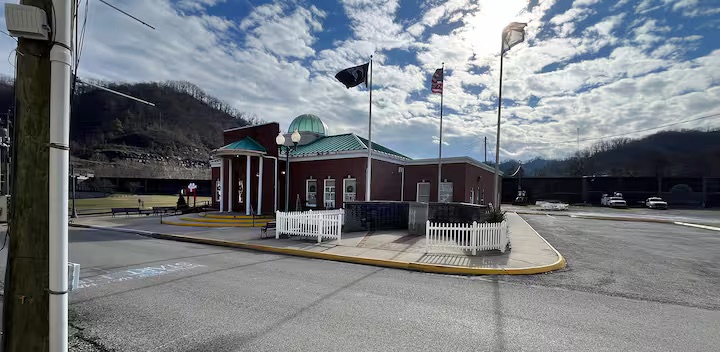
Trailhead Bar & Grill
Right in downtown Matewan, Trailhead Bar & Grill makes an easy stop for lunch, dinner, and a well-earned meal after a day exploring the trails.
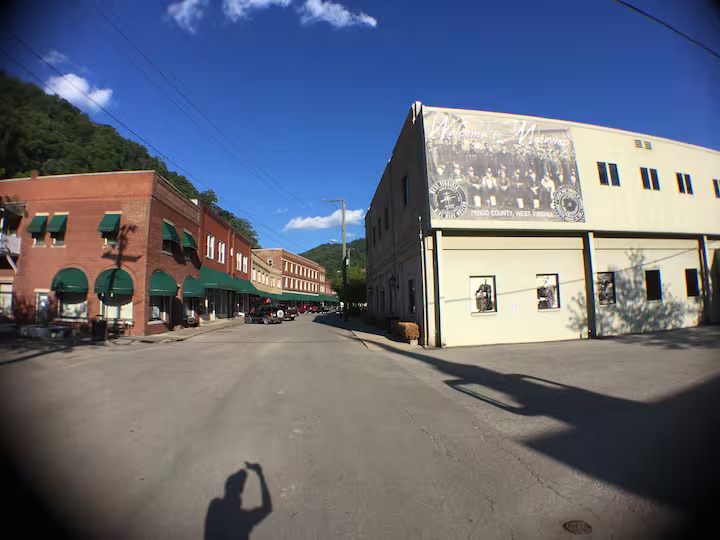
A historic town with a resilient spirit, nestled in the heart of the Appalachian coalfields.
Matewan was founded in 1895, born from the expansion of the Norfolk and Western Railway into the rich coal seams of southern West Virginia. What began as a quiet settlement quickly transformed into a bustling hub of industry, drawing workers and families from across the nation and around the world to the Tug Fork Valley.
For decades, coal was king, and Matewan was its beating heart. The town grew rapidly, with brick buildings rising along the tracks, housing banks, hotels, and general stores. It became a melting pot of cultures, where immigrants and locals worked side by side in the mines, forging a community bound by shared labor and shared struggle.
But with industry came conflict. As the demand for coal grew, so did the tensions between the miners and the coal companies. Matewan found itself at the center of a struggle for workers' rights that would echo through history, defining the town not just as a center of commerce, but as a symbol of resistance and solidarity.
Life in Matewan is deeply rooted in the traditions of Appalachia. It is a culture of storytelling, where history is passed down on front porches and in local diners. Music flows through these hills, from the old-time ballads of the early settlers to the bluegrass rhythms that still ring out at community gatherings.
We value self-reliance, neighborliness, and a profound connection to the land. The river and the ridges are not just scenery; they are part of who we are. Whether it's fishing in the Tug Fork, hunting in the hollows, or simply watching the mist rise off the mountains, the natural world shapes our daily lives.
Visitors will find a hospitality that is genuine and unhurried. In Matewan, you're not just a tourist; you're a guest. We take pride in sharing our food, our crafts, and our stories with anyone willing to listen.
Use this map to locate key historical sites throughout the town.
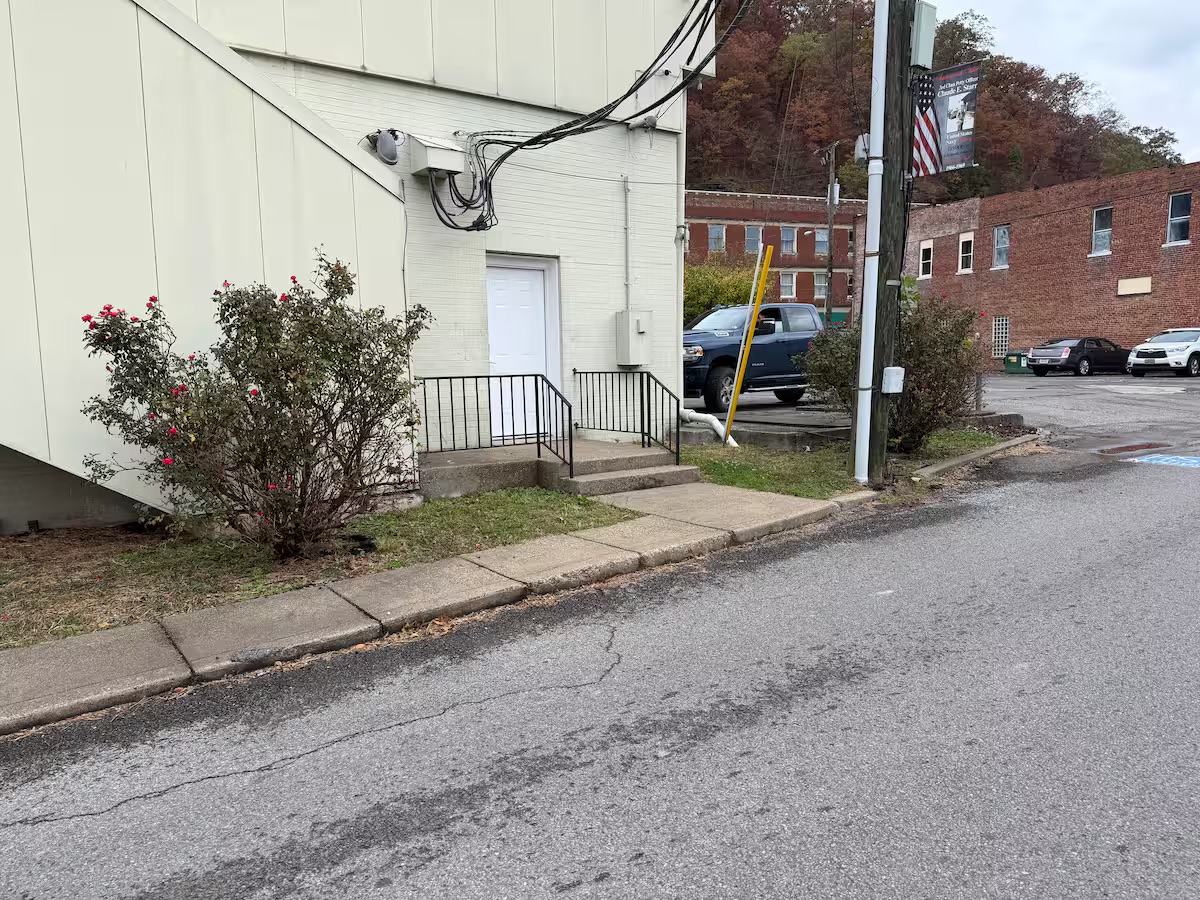
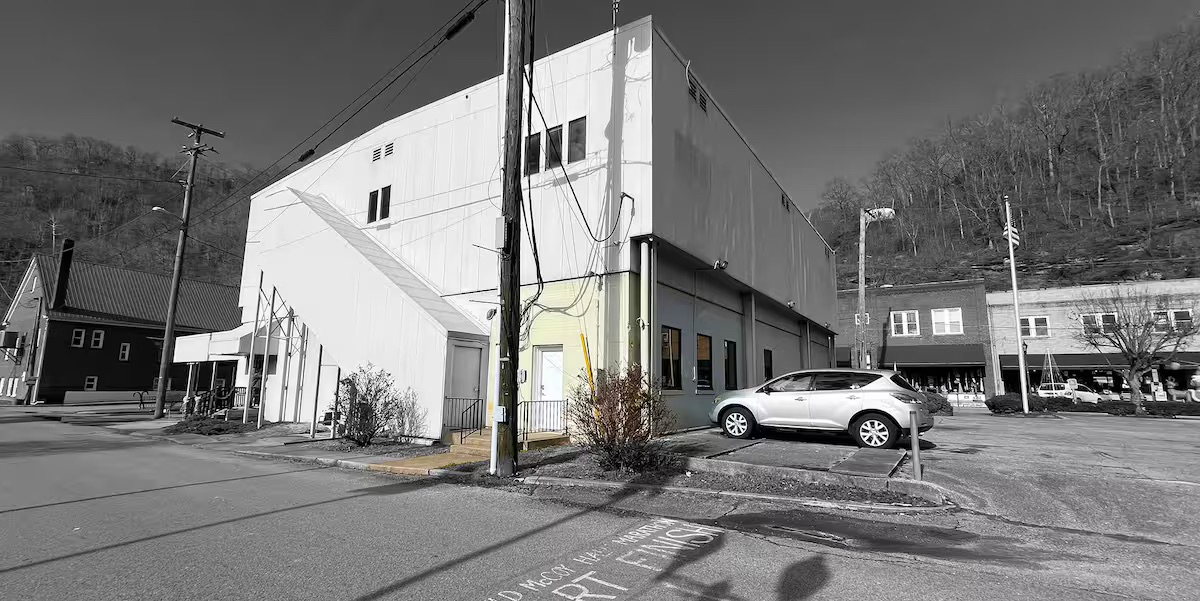
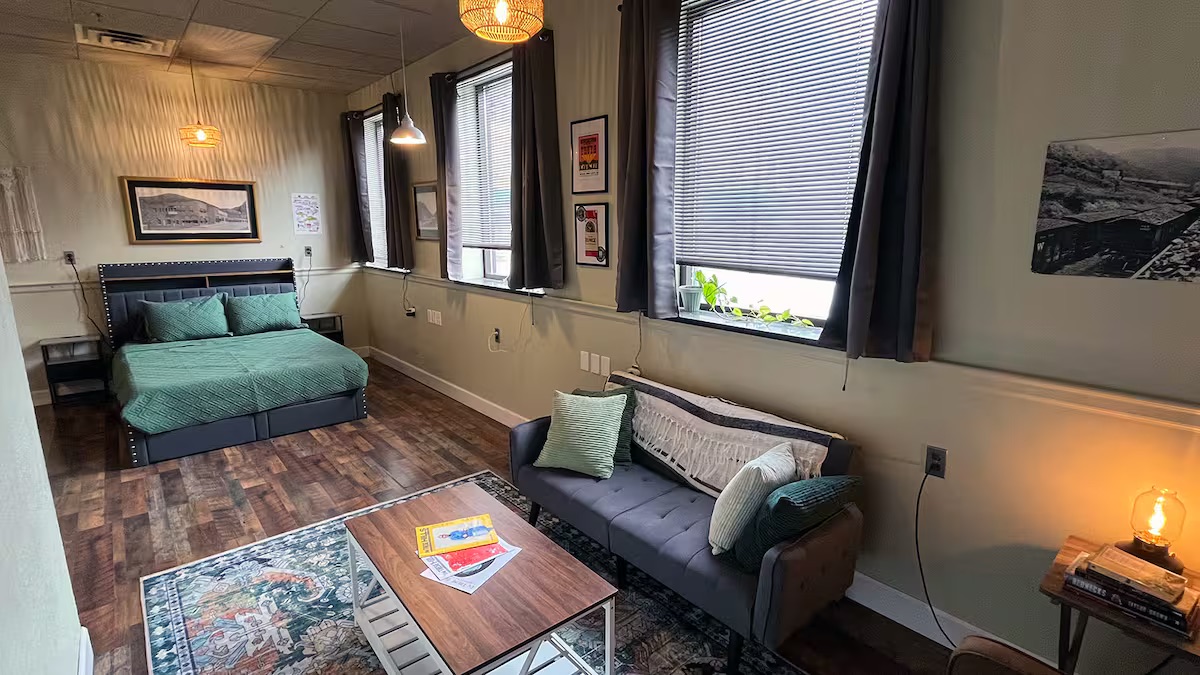
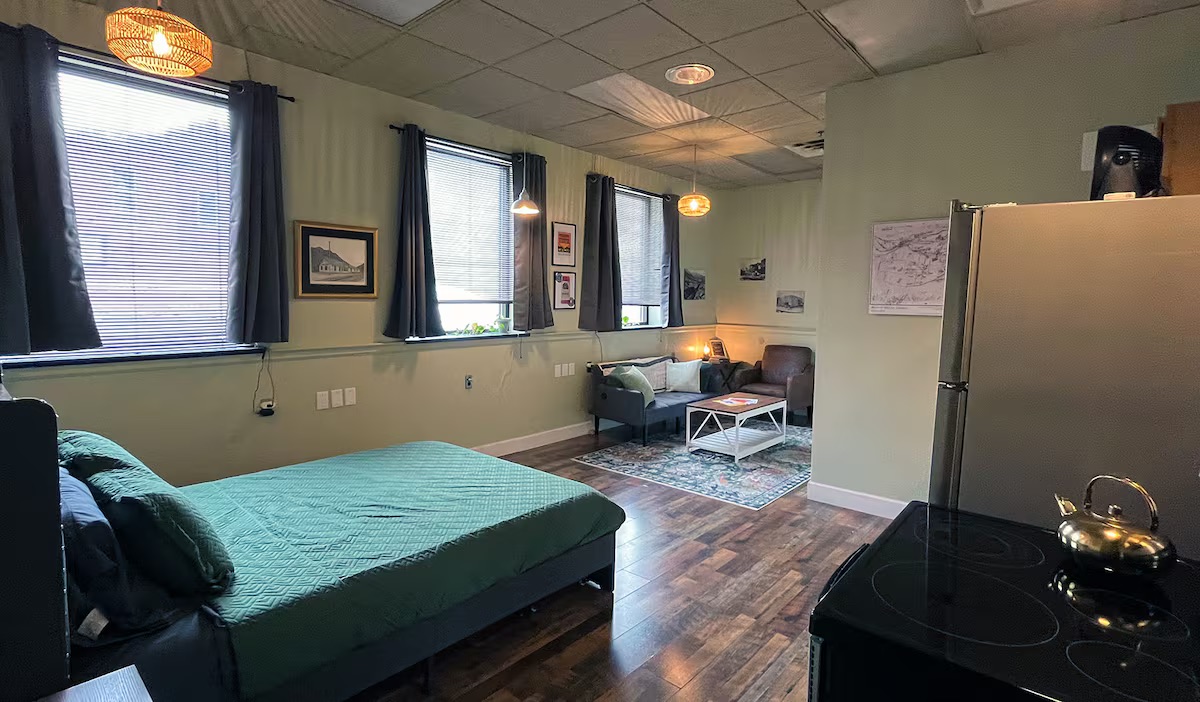
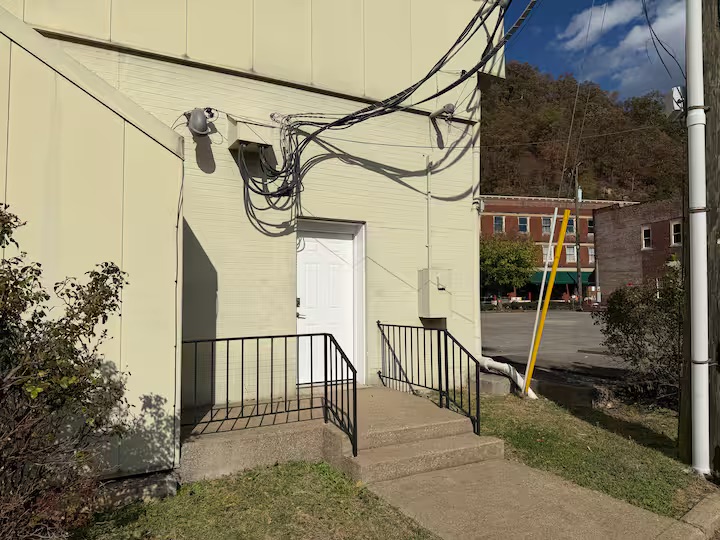
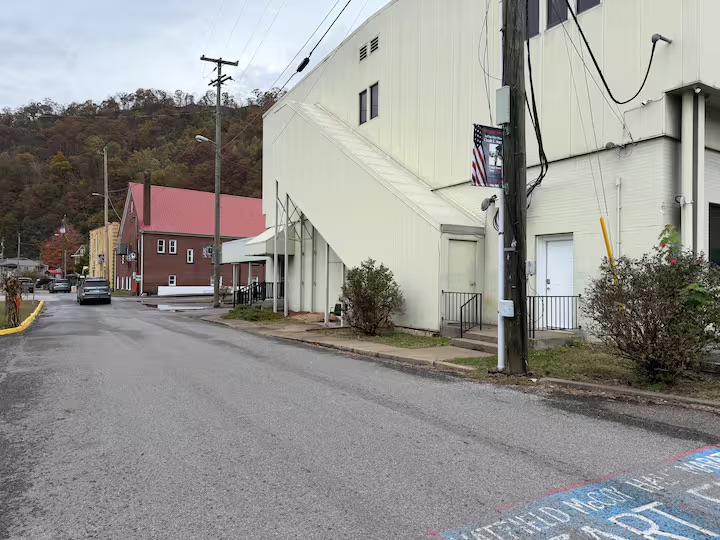
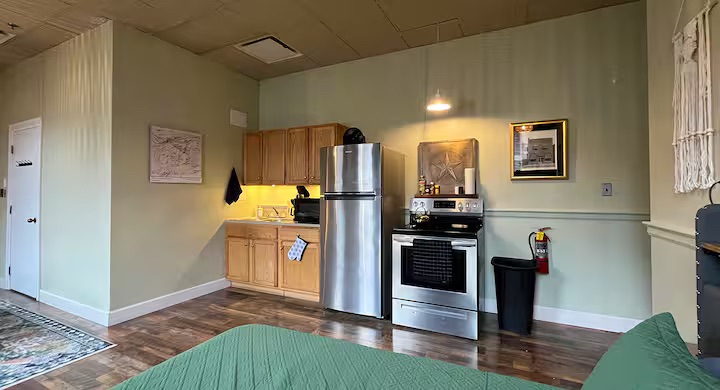
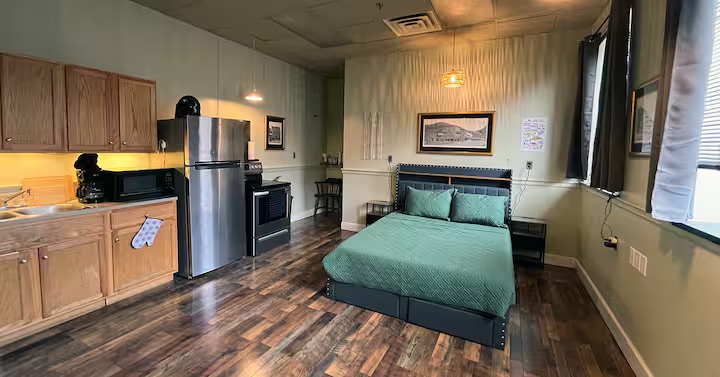
Trailhead Haven — A Featured Local Stay
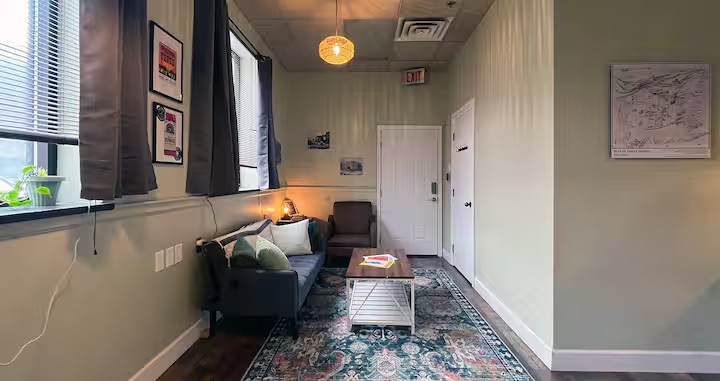
A spacious Matewan rental built for adventure weekends, group trips, and Devil Anse Trail riders — with comfort features that make you want to stay an extra night or two.
Tip: This is a great fit for trail groups, families, and weekend visitors looking for extra space and resort-style amenities close to Matewan.
Trailhead Haven gives guests quick access to the Devil Anse Trailhead while offering a comfortable, amenity-rich place to unwind after a full day out.
Eat Local
A day of trails, history, and exploring works up an appetite. Pull up a chair at some of Matewan's local favorites and experience the food, coffee, and hometown hospitality waiting right here in town.
Right in downtown Matewan, Trailhead Bar & Grill makes an easy stop for lunch, dinner, and a well-earned meal after a day exploring the trails.
Add a little flavor to your Matewan visit with a relaxed local stop for Mexican favorites, lunch, or dinner.
A local Matewan stop right on Mate Street and an easy place to grab a bite while exploring historic downtown.
Slow down, grab a cup, and enjoy a casual coffee stop while exploring the shops and historic streets of downtown Matewan.
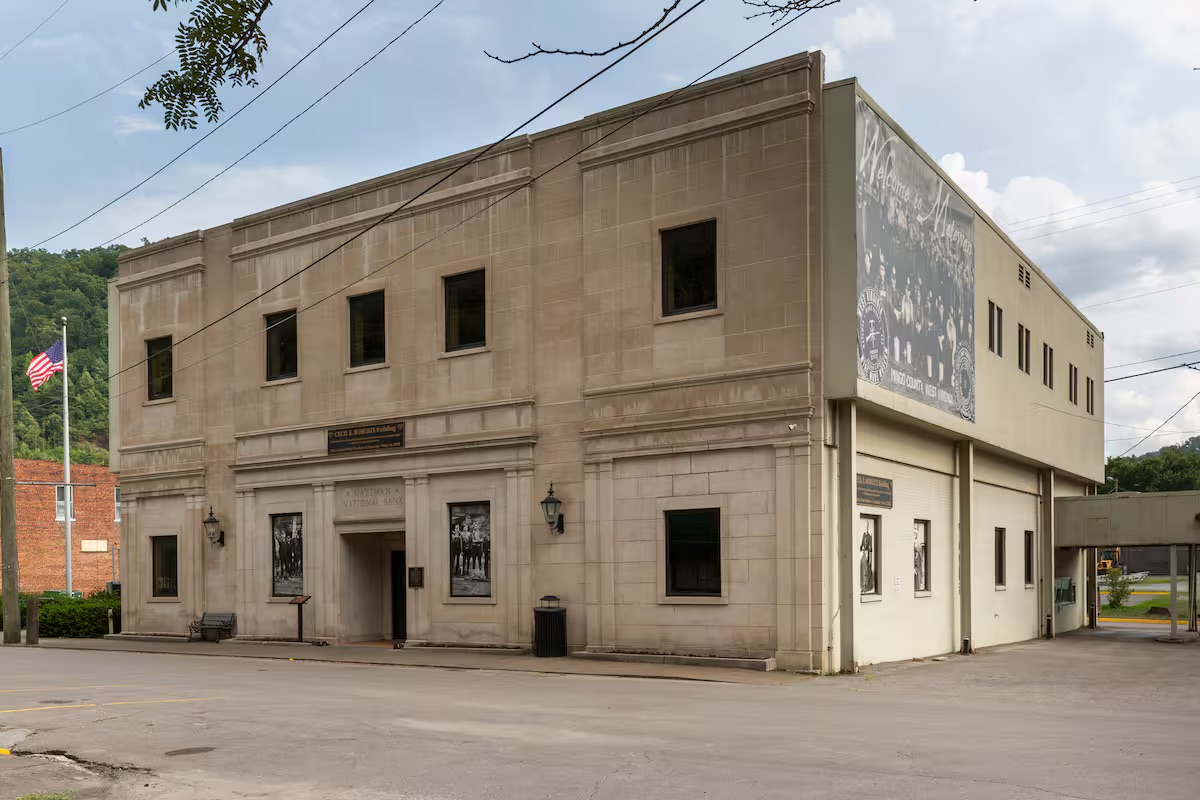
Matewan is a living monument to American labor history and a gateway to the wild beauty of West Virginia. From the legendary Hatfield-McCoy feuds to the pivotal Battle of Matewan, our streets echo with stories of resilience and courage.
Today, we welcome travelers seeking connection—to the past, to nature, and to a community that stands proud in the heart of the coalfields.
Preserving the people's history of the WV Mine Wars.
Discover Matewan
Kayak the Tug Fork River or explore the rugged ridges
surrounding the town. Nature reclaims the industrial past.
Guided and self-guided tours of historic downtown Matewan.
Reenactments, festivals, and community gatherings.
Learn about the pivotal 1920 shootout that sparked the
West Virginia Mine Wars and changed labor history forever.
Whether you're a history buff, an outdoor enthusiast, or a family looking for a meaningful getaway, Matewan has a story for you. Let us help you plan your perfect trip.
Matewan is located in southern West Virginia along the Tug Fork River, near the West Virginia–Kentucky border. The town sits in a scenic Appalachian valley surrounded by ridges and historic coalfield communities.
Matewan is best known for its role in American labor history, particularly the Matewan Massacre of 1920, a pivotal event in the West Virginia Mine Wars. Today, it is also known for its museum, walkable historic downtown, river scenery, and Appalachian culture.
Many visitors explore Matewan as a day trip, but a one- to two-night stay allows time to visit the Mine Wars Museum, walk the historic downtown, enjoy river views, and explore nearby outdoor attractions.
Yes. Matewan’s historic downtown is compact and walkable. Visitors can easily walk between the Mine Wars Museum, historic sites, local shops, and restaurants.
Yes. Matewan offers guided and self-guided walking tours that focus on labor history, the Matewan Massacre, and the town’s historic landmarks. Group and educational tours may be available by request.
Learn about the pivotal 1920 shootout that sparked the West Virginia Mine Wars and changed labor history forever.

Explore
Contact us
Visit Matewan
Ready to experience history and adventure? Start planning your trip today.